
Table of Contents

Understanding dental X-rays in the realm of modern dentistry.
Technological advancements have revolutionized the way oral health is assessed and treated. Dental X-rays, a crucial diagnostic tool, have evolved significantly, offering more precision and efficiency in identifying various dental issues. In this comprehensive guide, we delve into the importance of dental X-rays, explore different types such as nomad dental X-ray, cocoon handheld X-ray, and 3d panoramic dental X-ray, discuss their advantages and disadvantages, and answer common questions surrounding these diagnostic procedures.
The Basics of Understanding Dental X-rays
Dental X-rays, also known as radiographs, are images of your teeth that allow dentists to evaluate your oral health beyond what is visible to the naked eye. These images provide valuable insights into the condition of your teeth, gums, jawbone, and overall oral structure. The use of advanced X-ray technology has enhanced diagnostic capabilities, leading to more accurate treatment planning.
Types of Dental X-rays

Nomad Dental X-ray
Portable and efficient, the nomad handheld X-ray is a cutting-edge device that allows dentists to capture high-quality images with ease. Its portability makes it an excellent choice for on-the-go dental care.
Cocoon Handheld X-ray
The cocoon handheld X-ray is another innovative tool that provides flexibility and precision in dental imaging. Its ergonomic design ensures patient comfort while delivering detailed X-ray results.
3D Panoramic Dental X-ray
Offering a comprehensive view of the entire mouth, the 3d panoramic dental X-ray is instrumental in detecting issues such as impacted teeth, jaw disorders, and sinus problems. Its three-dimensional imaging provides a more thorough assessment.
Cephalometric Dental X-ray
Focused on capturing the side view of the head, cephalometric X-rays are instrumental in orthodontic planning and analysis, offered at Dentista Mexico.
Bitewing Dental X-ray
Bitewing x-rays are invaluable for detecting early signs of decay between teeth, contributing to preventive care at Dentist in Tijuana Mexico.
Intraoral Dental X-ray
Precision meets convenience with intraoral X-rays, allowing dentists at Dental Tijuana to assess individual teeth and their supporting structures.
Digital Imaging Dental X-ray
Embracing digital technology, digital imaging x-rays enhance diagnostic capabilities while minimizing radiation exposure, a feature at Top Dental.
Sialography Dental X-ray
Sialography x-rays focus on salivary glands, aiding in the diagnosis of salivary duct issues, available at Teeth New for specialized care.
Full Mouth Series Dental X-ray
For a comprehensive overview, a full mouth series x-ray is conducted, capturing all teeth and supporting structures, a service offered at Dental Implants How Much.
Advantages of Dental X-rays
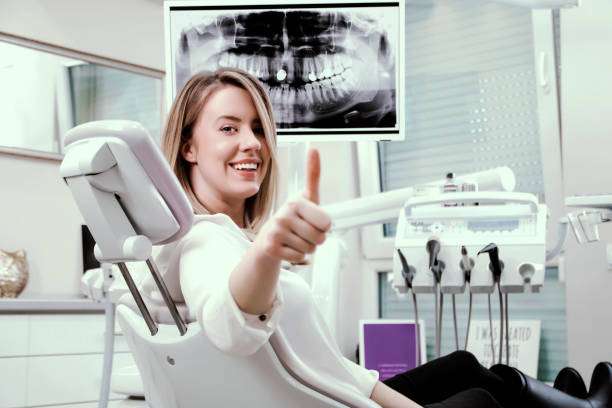
Dental X-rays come with a myriad of advantages, contributing significantly to preventive and corrective dental care.
Early Detection of Issues
One of the primary benefits is the ability to detect dental problems at an early stage. This allows for timely intervention, preventing the escalation of issues.
Precise Treatment Planning
Dentists can create personalized treatment plans based on accurate X-ray images. This precision is crucial for procedures like dental implants and orthodontic treatments.
Monitoring Oral Health
Regular X-rays help in monitoring changes in your oral health over time. This is especially important for individuals with chronic conditions or those undergoing extensive dental treatments.
Efficient Diagnosis of Gum Diseases
X-rays are instrumental in identifying signs of gum diseases that may not be visible during a routine examination. Early detection facilitates effective management.
Disadvantages of Dental X-rays

While the benefits of dental X-rays are undeniable, it’s essential to consider the potential drawbacks associated with their use.
Disadvantages | Mitigation Strategies |
Exposure to Radiation: | Modern X-ray machines use minimal radiation and lead aprons protect patients. Dentists follow strict guidelines to minimize exposure. |
Cost: | Some individuals may find the cost of dental X-rays burdensome. Discussing financial concerns with your dentist can lead to feasible solutions or alternative imaging options. |
Pregnancy Concerns: | Pregnant individuals are advised to inform their dentists. In such cases, alternative diagnostic methods or postponing X-rays until after pregnancy may be considered. |
Frequently Asked Questions about Dental X-rays
How often should dental X-rays be taken?
The frequency depends on individual oral health needs. Generally, X-rays are taken every 6 to 24 months.
Are dental X-rays safe?
Yes, modern X-ray machines emit minimal radiation, and protective measures are in place to ensure safety.
Can pregnant individuals undergo dental X-rays?
While precautions are taken, pregnant individuals are advised to inform their dentists to explore alternative options.
What is the role of digital X-ray dental technology?
Digital X-rays reduce radiation exposure, provide instant images, and contribute to eco-friendly practices.
Is the /full mouth x-ray cost/ covered by dental insurance?
Coverage varies, and it’s advisable to check with your insurance provider regarding specific details.
How are wisdom tooth X-rays different?
Wisdom tooth X-rays focus on assessing the development, position, and potential impact of these molars.
Can X-rays detect gum diseases?
Yes, X-rays help in detecting early signs of gum diseases, enabling timely intervention.
What is the importance of healthy teeth X-rays?
Healthy teeth X-rays monitor the overall condition of your teeth, aiding in preventive care.
Are there alternatives to traditional dental X-rays?
Yes, alternatives include cone-beam computed tomography (CBCT) and intraoral cameras, depending on the diagnostic needs.
Can X-rays identify issues beyond cavities?
X-rays reveal issues like jawbone infections, cysts, and tumors that may not be visible during a routine examination.
Conclusion: Considerations and Candidacy for Understanding Dental X-rays

In conclusion, understanding the importance of dental X-rays is crucial for maintaining optimal oral health. While the advantages, such as early issue detection and precise treatment planning, are evident, it’s equally important to acknowledge potential disadvantages and take necessary precautions. Your candidacy for dental X-rays depends on your individual oral health needs, and discussing concerns with your dentist ensures a tailored approach. Embrace the advancements in dental technology for a proactive and informed approach to your oral well-being.
Disclaimer: Info only. Not a substitute for professional dental advice. Consult your dentist for personalized oral health guidance. Kindly visit our website EG Dental Clinic and send us your dental concerns or visit our physical clinic in Zona Rio Baja Tijuana, Mexico


